

Turning Point Wellness Center

Recovery Begins When You Look Beneath the Surface.

For more than 11 years, Turning Point has been helping individuals and families navigate addiction, substance use, alcoholism, behavioral concerns, and co-occurring mental health challenges. Based in the tranquil surroundings of Surat, India, Turning Point has supported more than 3,000 individuals on their journey toward recovery. But our work has never been simply about helping someone stop using a substance. It is about understanding why they needed it in the first place.

Our Approach

We Don’t Just Treat the Addiction. We Work With the Person Behind It.

At Turning Point, we believe that lasting recovery requires us to look beyond the substance and understand the person.
There is a simple philosophy often heard in recovery:
“We don’t have a drinking problem; we have a thinking problem.”
The substance may be what we see on the surface. Beneath it may be unresolved emotional pain, trauma, distorted thinking patterns, relationship difficulties, poor coping mechanisms, anxiety, depression, impulsivity, or a loss of meaning and purpose.
Our approach is designed to explore these deeper psychological and behavioral patterns while helping clients develop healthier ways of thinking, feeling, relating and responding. With a reported recovery rate of over 75%, our focus remains on creating meaningful, sustainable recovery through individualized care rather than a one-size-fits-all approach.

Our Philosophy

Uncover. Discover. Recover.

Uncover

Understand the patterns beneath the addiction.
Through psychological assessment, counselling, therapeutic conversations, structured recovery work and individualized clinical care, we help clients begin identifying the emotional, psychological and behavioral factors contributing to their addictive patterns.

Discover

Develop a deeper understanding of yourself.
Recovery is also about discovering new ways of responding to stress, emotions, relationships and life’s challenges.
Clients begin developing healthier coping mechanisms, emotional awareness, self-regulation, accountability and a renewed sense of purpose.

Recover

Turn insight into a new way of living.
Recovery becomes sustainable when the tools learned in treatment become part of everyday life.
Through structured recovery planning, continued support, relapse-prevention work and aftercare, we continue walking alongside the individual and their family beyond residential treatment.

Why Turning point

Because Recovery Is More Than Abstinence.

Stopping the substance is important.
But stopping is not the same as recovering.
At Turning Point, we look beyond the substance and work to understand what drives addictive behavior.

  • What is driving the addiction?
  • What emotional pain is being avoided?
  • What patterns keep repeating?
  • What happens inside the mind before the substance is used?
  • What needs to change so the person no longer needs the substance to cope with life?

We Don't Just Treat the Substance. We Understand What Drives It.

The substance is often the visible part of a much deeper cycle.
Addiction can be intertwined with unresolved trauma, emotional dysregulation, distorted thinking patterns, anxiety, depression, relationship difficulties, impulsivity, shame, low self-worth, unhealthy coping mechanisms and a loss of purpose.
If these underlying patterns remain unaddressed, removing the substance alone may not provide the foundation for lasting change.
At Turning Point, we therefore work to understand the psychological, emotional, behavioral and relational drivers beneath addictive behavior.We don’t simply ask:
“How do we stop the substance?”
We ask:
“Why did the mind need the substance in the first place—and what can we build in its place?”

Whole-Person Approach

The Person Needs to Recover - Not Just the Addiction.

Our recovery model brings together multiple dimensions of care to understand and support the individual as a whole.
It is an integrated recovery ecosystem designed around the individual.

Clinical Psychology

Understanding thoughts, emotions, personality patterns and behavioral responses.

Addiction Counselling & Recovery Coaching

Building insight, accountability, coping strategies and practical recovery skills.

Psychiatric Care

Providing psychiatric assessment, guidance and clinical support when appropriate.

Structured Recovery & Step Work

Self-examination, accountability, acceptance, responsibility and meaningful behavioral change.
Mind–Body Wellness

Yoga, breathwork, meditation, physical activity and other wellness modalities.
Trauma-Informed Support

Safely exploring experiences that may contribute to emotional distress and addictive patterns.

Community

A Small Community. A Highly Individualized Journey.

We intentionally keep our residential population limited.Because we don’t want clients to become another name on a list. Our team wants to know each individual’s story, patterns, progress, struggles, strengths, goals, family dynamics, and recovery journey.
Our multidisciplinary team works to create a tailor-made plan rather than placing everyone on the same pathway.
The same substance can affect two people differently.
The same diagnosis may require different approaches.
There is no one-size-fits-all recovery.

Structure

Structure Is Part of the Treatment.

Recovery does not only happen inside the therapy room.
It also happens between sessions.
A structured therapeutic environment creates consistency, accountability, and healthy routine.

Therapy

Counselling

Step Work

Mindfulness
Yoga
Breathwork

Exercise

Reflection
Group Connection

Creative Expression

Recreation

Rest
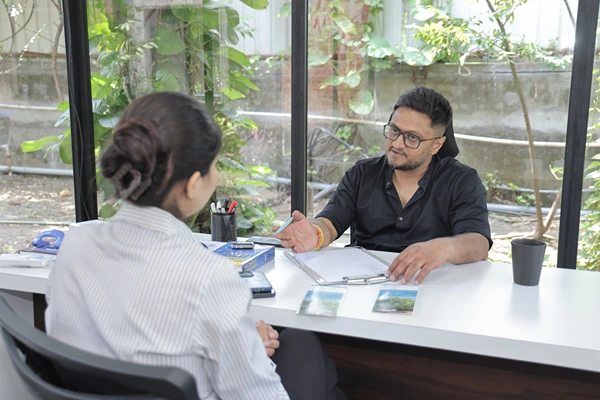
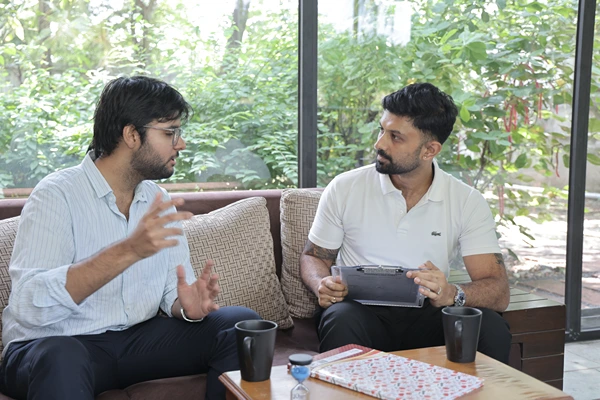
We don’t just prepare someone to leave treatment. We prepare them to return to life.

AFTERCARE

Recovery Doesn’t End When You Leave Turning Point.

We believe one of the most important questions a treatment center can ask is: “What happens after discharge?” Returning home means returning to the same relationships, responsibilities, environments, pressures, and potential triggers.

We don’t view discharge as the end of our relationship with the individual. Aftercare and continuing recovery support are designed to help transition back into everyday life and strengthen the foundations established during treatment.
Where appropriate, aftercare may include:

  • Continued counselling
  • Recovery support
  • Relapse-prevention planning
  • Family involvement
  • Ongoing accountability
Complexity

We Treat the Complexity, Not Just the Diagnosis.

  • Addiction often exists alongside psychological and emotional concerns.
    Substance use may coexist with anxiety, depression, trauma, OCD, ADHD, PTSD, emotional dysregulation, relationship difficulties, or other psychological concerns.
  • Co-occurring mental health and substance-use concerns are commonly referred to as dual-diagnosis care.
  • Our approach seeks to understand how these concerns interact rather than treating them in isolation.
  • Because treating only one part of the problem can leave the rest of the cycle intact.