Why Turning point
Turning Point Wellness Center is an award-winning de-addiction and mental health facility offering personalized, holistic care and custom-designed therapy. With an 85%+ recovery rate, we are committed to helping individuals achieve lasting wellness and recovery.
About Us
What truly sets us apart is our commitment to individualized attention and support. We host limited clients at a time, ensuring a deeply personal and focused recovery journey. Each client benefits from the presence of multiple residential counselors and recovery coaches who provide round-the-clock guidance and support.
Our unique, step-based recovery program uncovers, discovers, and helps heal the underlying patterns of behavior, paving the way for a thorough and lasting recovery.
Beyond therapy, our center offers a vibrant, activity-rich environment designed to heal the mind, body, and spirit along with award-winning wellness therapies.
Why Turning point
Because Recovery Is More Than Abstinence.
Stopping the substance is important.
But stopping is not the same as recovering.
At Turning Point, we look beyond the substance and work to understand what drives addictive behavior.
- What is driving the addiction?
- What emotional pain is being avoided?
- What patterns keep repeating?
- What happens inside the mind before the substance is used?
- What needs to change so the person no longer needs the substance to cope with life?
We Don't Just Treat the Substance. We Understand What Drives It.
The substance is often the visible part of a much deeper cycle.
Addiction can be intertwined with unresolved trauma, emotional dysregulation, distorted thinking patterns, anxiety, depression, relationship difficulties, impulsivity, shame, low self-worth, unhealthy coping mechanisms and a loss of purpose.
If these underlying patterns remain unaddressed, removing the substance alone may not provide the foundation for lasting change.
At Turning Point, we therefore work to understand the psychological, emotional, behavioral and relational drivers beneath addictive behavior.We don’t simply ask:
“How do we stop the substance?”
We ask:
“Why did the mind need the substance in the first place—and what can we build in its place?”
Whole-Person Approach
The Person Needs to Recover - Not Just the Addiction.
Our recovery model brings together multiple dimensions of care to understand and support the individual as a whole.
It is an integrated recovery ecosystem designed around the individual.

Clinical Psychology
Understanding thoughts, emotions, personality patterns and behavioral responses.

Addiction Counselling & Recovery Coaching
Building insight, accountability, coping strategies and practical recovery skills.

Psychiatric Care
Providing psychiatric assessment, guidance and clinical support when appropriate.

Structured Recovery & Step Work
Self-examination, accountability, acceptance, responsibility and meaningful behavioral change.
Mind–Body Wellness
Yoga, breathwork, meditation, physical activity and other wellness modalities.

Trauma-Informed Support
Safely exploring experiences that may contribute to emotional distress and addictive patterns.

A Truly Individualized Approach to Recovery
No two individuals arrive at treatment with the same story.That is why we don’t believe in a standardized recovery journey.Each client receives a tailor-made treatment and recovery plan based on their individual history, psychological needs, substance-use patterns, family dynamics, personality, goals, stage of recovery.
Our multidisciplinary team may include:
- Addiction Counsellors & Recovery Coaches
Psychologists & Clinical Psychologists - Psychiatrists
- Wellness Therapists
- Trauma-Focused Professionals
- Recovery & Step-Work Facilitators
- Wellness and Mind–Body Practitioners
Together, these disciplines allow us to approach recovery from multiple dimensions—psychological, emotional, behavioral, physical, relational and spiritual.
Medication
Medication Has a Role. But Recovery Is Bigger Than Medication.
Medication can be important—and sometimes essential.
During detox, psychiatric stabilization, withdrawal management, or when co-occurring mental health conditions are present, medication may be clinically appropriate and critical to safety and stabilization.
But medication is not the entirety of recovery.
Medication may help stabilize the system. Therapy helps us understand it. Recovery work helps us change it. Practice helps us live differently.
We use clinically appropriate tools while helping individuals develop the psychological, emotional, and behavioral resources needed for long-term recovery.
Medication changes or tapering are individually determined and carried out under medical supervision.
Our minimum residential program is 90 days, with longer stays where clinically appropriate.
We don’t believe recovery should be rushed simply because the calendar says it’s time to go home.
TIME
We Give Recovery the One Thing It Cannot Be Rushed: Time.
Deep behavioral and psychological change rarely happens overnight. The first weeks of treatment may focus on withdrawal, stabilization, and physical safety. Once the immediate crisis has settled, deeper work can begin.Clients need time to:
- Establish distance from addictive patterns
- Stabilize physically and emotionally
- Understand addiction
- Identify triggers and underlying drivers
- Develop healthier coping mechanisms
- Work through psychological and emotional issues
- Build accountability
- Practice new behaviors
- Strengthen relationships
- Develop relapse-prevention strategies
- Rebuild routine, identity, and purpose
Structure
Structure Is Part of the Treatment.
Recovery does not only happen inside the therapy room.
It also happens between sessions.
A structured therapeutic environment creates consistency, accountability, and healthy routine.

Therapy

Counselling

Step Work

Mindfulness
Yoga
Breathwork

Exercise

Reflection
Group Connection

Creative Expression

Recreation

Rest
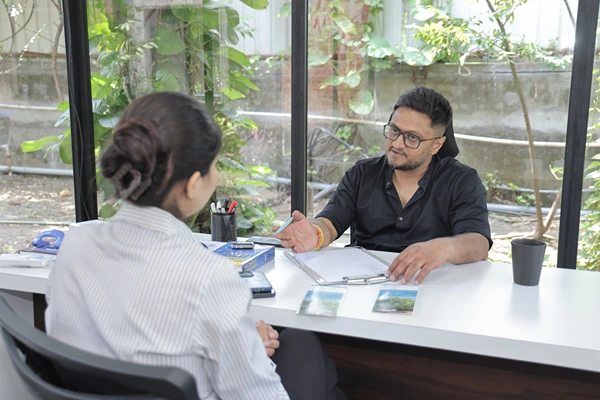
We don’t just prepare someone to leave treatment. We prepare them to return to life.
AFTERCARE
Recovery Doesn’t End When You Leave Turning Point.
We believe one of the most important questions a treatment center can ask is: “What happens after discharge?” Returning home means returning to the same relationships, responsibilities, environments, pressures, and potential triggers.
We don’t view discharge as the end of our relationship with the individual. Aftercare and continuing recovery support are designed to help transition back into everyday life and strengthen the foundations established during treatment.
Where appropriate, aftercare may include:
- Continued counselling
- Recovery support
- Relapse-prevention planning
- Family involvement
- Ongoing accountability
Complexity
We Treat the Complexity, Not Just the Diagnosis.
- Addiction often exists alongside psychological and emotional concerns.
Substance use may coexist with anxiety, depression, trauma, OCD, ADHD, PTSD, emotional dysregulation, relationship difficulties, or other psychological concerns. - Co-occurring mental health and substance-use concerns are commonly referred to as dual-diagnosis care.
- Our approach seeks to understand how these concerns interact rather than treating them in isolation.
- Because treating only one part of the problem can leave the rest of the cycle intact.